新書推薦:

《
黄宗羲传
》
售價:HK$
74.8
《
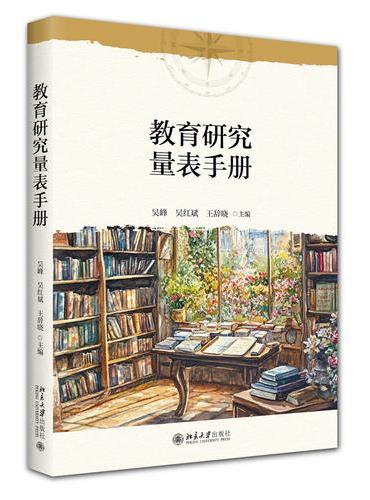
教育研究量表手册 21世纪教育科学系列教材
》
售價:HK$
97.9
《
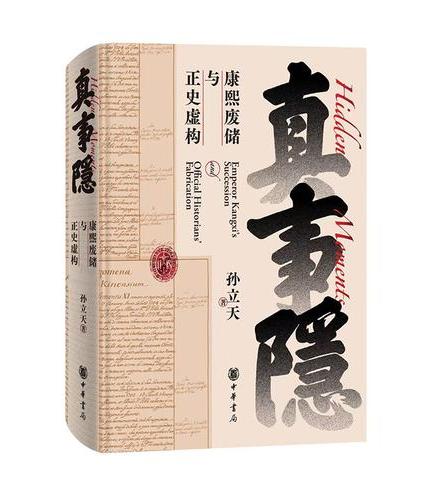
真事隐:康熙废储与正史虚构
》
售價:HK$
85.8
《
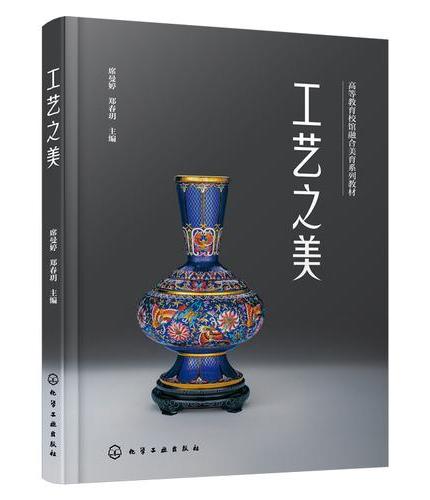
工艺之美(席曼婷)
》
售價:HK$
97.9

《
揭秘煤气灯效应:心理操控的哲学透视
》
售價:HK$
60.5
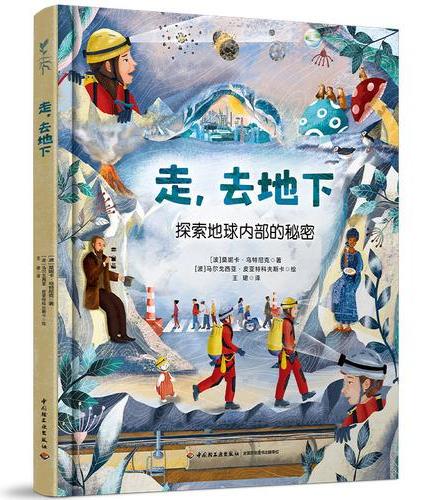
《
走,去地下 探索地球内部的秘密【精装大本】
》
售價:HK$
96.8
![含混的哲思——梅洛-庞蒂·杨大春讲梅洛-庞蒂[修订本合集]](//img.megbook.hk/upload/mall/productImages/26/7/9787303310944.jpg)
《
含混的哲思——梅洛-庞蒂·杨大春讲梅洛-庞蒂[修订本合集]
》
售價:HK$
184.8
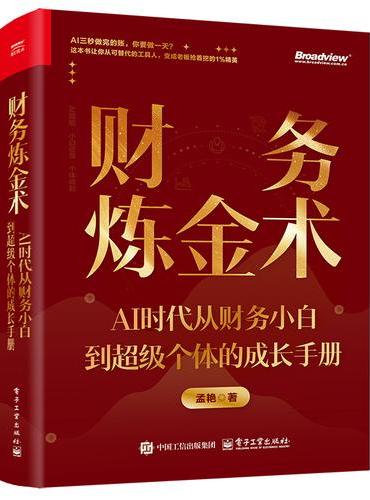
《
财务炼金术:AI时代从财务小白到超级个体的成长手册
》
售價:HK$
97.9
|
| 內容簡介: |
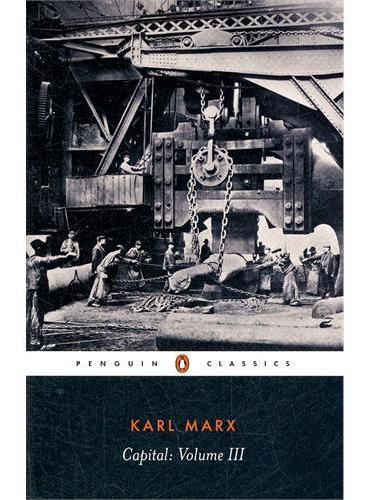
Unfinished at the time of Marx''s
來源:香港大書城megBookStore,http://www.megbook.com.hk
death in 1883 and first published with a preface by Frederick
Engels in 1894, the third volume of "Das Kapital" strove to combine
the theories and concepts of the two previous volumes in order to
prove conclusively that capitalism is inherently unworkable as a
permanent system for society. Here, Marx asserts controversially
that - regardless of the efforts of individual capitalists, public
authorities or even generous philanthropists - any market economy
is inevitably doomed to endure a series of worsening, explosive
crises leading finally to complete collapse. But he also offers an
inspirational and compelling prediction: that the end of capitalism
will culminate, ultimately, in the birth of a far greater form of
society.
|
| 關於作者: |
Karl Marx was born in 1818 in Trier, Germany and studied in
Bonn and Berlin. Influenced by Hegel, he later reacted against
idealist philosophy and began to develop his own theory of
historical materialism. He related the state of society to its
economic foundations and mode of production, and recommended armed
revolution on the part of the proletariat. Together with Engels,
who he met in Paris, he wrote the Manifesto of the Communist Party.
He lived in England as a refugee until his death in 1888, after
participating in an unsuccessful revolution in Germany. Ernst
Mandel was a member of the Belgian TUV from 1954 to 1963 and was
chosen for the annual Alfred Marshall Lectures by Cambridge
University in 1978. He died in 1995 and the Guardian described him
as ''one of the most creative and independent-minded revolutionary
Marxist thinkers of the post-war world.'' Translated by David
Fernbach with an introduction by Ernest Mandel
|
|

 購物車/收銀台(0) | 在線留言板
| 付款方式
| 運費計算
| 聯絡我們
| 幫助中心 |
加入書簽
購物車/收銀台(0) | 在線留言板
| 付款方式
| 運費計算
| 聯絡我們
| 幫助中心 |
加入書簽 HOME
HOME 新書上架
新書上架 暢銷書架
暢銷書架







![含混的哲思——梅洛-庞蒂·杨大春讲梅洛-庞蒂[修订本合集]](http://img.megbook.hk/upload/mall/productImages/26/7/9787303310944.jpg)