新書推薦:
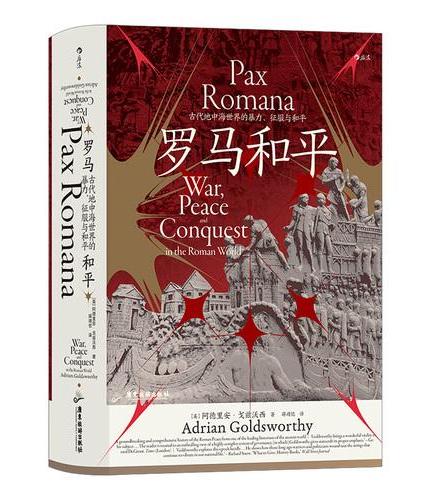
《
罗马和平新版 古代地中海世界的暴力 征服与和平 汗青堂丛书109
》
售價:HK$
116.6

《
万亿低空:应用实战篇 低空经济
》
售價:HK$
107.8

《
最美中国版画100幅 艺术百图系列 木版雕刻 经典古版画 中式美学 周亮编著
》
售價:HK$
85.8

《
乱世离歌:五代史略
》
售價:HK$
107.8

《
近代中国史学述论(修订版)
》
售價:HK$
118.8

《
茶食品工艺学(高等学校专业教材)
》
售價:HK$
41.8

《
南洋有遗音:从新加坡到苏门答腊的寻踪之旅
》
售價:HK$
74.8
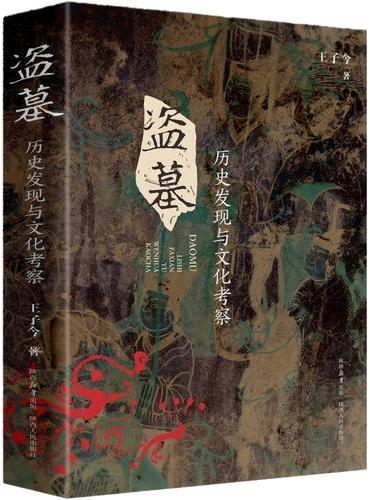
《
盗墓:历史发现与文化考察
》
售價:HK$
327.8
|
| 編輯推薦: |
★一部《简爱》写尽了女性对于理想爱情的永恒期待,对于独立生活的勇敢追求!
★一个女性自主的千古楷模
★一部关于自由与平等之爱的不朽经典
|
| 內容簡介: |
《简爱》是夏洛蒂的成名作,也是她极具个人色彩的代表作品。
來源:香港大書城megBookStore,http://www.megbook.com.hk
小说讲述了一个出身寒微的女子不断追求进步并勇敢追求爱情的故事。情节曲折跌宕,女主人公的聪慧与勇气深深地打动了读者。读者不仅为简爱与罗切斯特的爱情而着迷,更钦佩于简爱闪烁的智慧与火一样的热情。
简爱这一形象的诞生,让读者看到了一个不屈于世俗压力的独立进取的女性形象。她自强自立的人格和美好的理想让人们看到了女性勇敢美好的一面。这在当时的英国乃至世界文坛都是罕见的。也正因此,读者记住了这个叫简爱的女子,也记住了《简爱》这部永不过时的经典之作。
|
| 關於作者: |
夏洛蒂勃朗特
英国19世纪著名作家,活跃在英国文坛上的“勃朗特三姐妹”之一,她被马克思誉为“当代杰出的英国小说家”。夏洛蒂的作品主要描写贫苦小资产者的孤独、反抗和奋斗。其中《简爱》反响巨大,在英国一经出版便引起了轰动,在世界文学史上都称得上是一部经典的传世之作。
|
| 目錄:
|
PREFACE
NOTE TO THE THIRD EDI TIDN
JANE EYRE
|
| 內容試閱:
|
A PREFACE to the
first edition of Jane Eyre being unnecessary,I gave none: this second
edition demands a few words both of acknowledgment and miscellaneous remark.
My thanks are due in
three quarters.
To the Public, for
the indulgent ear it has inclined to a plain tale with few pretensions.
To the Press, for
the fair field its honest suffrage has opened to an obscure aspirant.
To my Publishers,
for the aid their tact, their energy, their practical sense, and frank
liberality have afforded an unknown and unrecommended Author.
The Press and the
Public are but vague personifications for me, and I must thank them in vague
terms; but my Publishers are definite: so are certain generous critics who have
encouraged me as only largehearted and high-minded men know how to encourage a
struggling stranger; to them, i. e. , to my Publishers and the select
Reviewers, I say cordially, Gentlemen, I thank you from my heart.
Having thus
acknowledged what I owe those who have aided and approved me, I turn to another
class; a small one, so far as I know, but not, therefore, to be overlooked. I
mean the timorous or carping few who doubt the tendency of such books as Jane Eyre: in whose eyes
whatever is unusual is wrong; whose ears detect in each protest against
bigotry—that parent of crime—an insult to piety, that regent of God on earth. I
would suggest to such doubters certain obvious
distinctions; I
would remind them of certain simple truths.
Conventionality is
not morality. Self-righteousness is not religion. To attack the first is not to
assail the last. To pluck the mask from the face of the Pharisee, is not to
lift an impious hand to the Crown of Thorns.
These things and
deeds are diametrically opposed; they are distinct as is vice from virtue. Men
too often confound them; they should not be confounded: appearance should not
be mistaken for truth; narrow human doctrines, that only tend to elate and
magnify a few, should not be substituted for the world-redeeming creed of
Christ. There is— I repeat it—a difference; and it is a good, and not a bad
action to mark broadly and clearly the line of separation between them.
The world may not
like to see these ideas dissevered, for it has been accustomed to blend them;
finding it convenient to make external show pass for sterling worth—to let
whitewashed walls vouch for clean shrines. It may hate him who dares to
scrutinize and expose—to rase the gilding, and show base metal under it—to penetrate
the sepulchre, and reveal charnel relics: but, hate as it will, it is indebted
to him.
Ahab did not like
Micaiah, because he never prophesied good concerning him, but evil: probably he
liked the sycophant son of Chenaanah better; yet might Ahab have escaped a
bloody death, had he but stopped his ears to flattery, and opened them to
faithful counsel.
There is a man in
our own days whose words are not framed to tickle delicate ears: who, to my
thinking, comes before the great ones of society, much as the son of Imlah came
before the throned Kings of Judah and Israel; and who speaks truth as deep,
with a power as prophet-like and as vital—a mien as dauntless and as daring. Is
the satirist of Vanity Fair admired in high places? I cannot tell; but I
think if some of those amongst whom he hurls the Greek fire of his sarcasm, and
over whom he flashes the levin-brand of his denunciation, were to take his
warnings in time—they or their seed might yet escape a fatal Ramoth-Gilead.
Why have I alluded
to this man? I have alluded to him, Reader, because I think I see in him an
intellect profounder and more unique than his contemporaries have yet
recognised; because I regard him as the first social regenerator of the day—as
the very master of that working corps who would restore to rectitude the warped
system of things; because I think no commentator on his writings has yet found the
comparison that suits him, the terms which rightly characterize his talent.
They say he is like Fielding: they talk of his wit, humour, comic powers. He
resembles Fielding as an eagle does a vulture: Fielding could stoop on carrion,
but Thackeray never does. His wit is bright, his humour attractive, but both
bear the same relation to his serious genius, that the mere lambent
sheet-lightning playing under the edge of the summer-cloud, does to the
electric death-spark hid in its womb. Finally, I have alluded to Mr. Thackeray,
because to him— if he will accept the tribute of a total stranger—I have
dedicated this second edition of Jane Eyre.
Currer Bell.
December 21st, 1847
|
|

 購物車/收銀台(0) | 在線留言板
| 付款方式
| 運費計算
| 聯絡我們
| 幫助中心 |
加入書簽
購物車/收銀台(0) | 在線留言板
| 付款方式
| 運費計算
| 聯絡我們
| 幫助中心 |
加入書簽 HOME
HOME 新書上架
新書上架 暢銷書架
暢銷書架









